For decades, lifestyle branding was built around aspiration.
Brands sold us an image of the person we could become: healthier, wealthier, more beautiful, more travelled. The product was the passport to that imagined life.
Today, the most interesting brands are playing a different game.
They are not simply representing a lifestyle. They are building one.
Across food, beauty, hospitality and design, category boundaries are becoming increasingly irrelevant. A sunscreen brand can behave like a leisure company. A farm can become a cultural universe. A coffee house can borrow from luxury hospitality. A tableware brand can exist somewhere between food, fashion and art.
What connects these brands is not an aesthetic.
It is a strategic shift from category positioning to world-building.
Consumers don’t experience culture in categories.
They move seamlessly between food, fashion, travel, beauty, design and entertainment — often within the same scroll, the same neighbourhood or the same trip.
Yet brands have traditionally been built vertically: identify a category, understand its conventions, differentiate within them.
The new generation of lifestyle brands is doing the opposite.
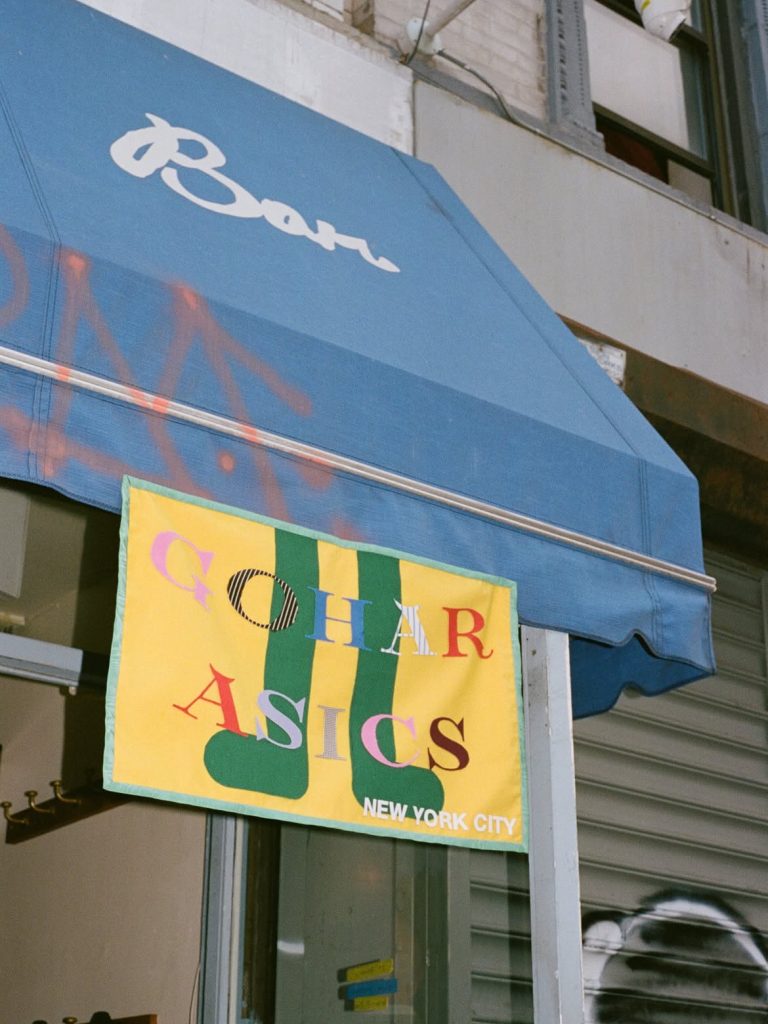
Gohar World is a particularly interesting example.
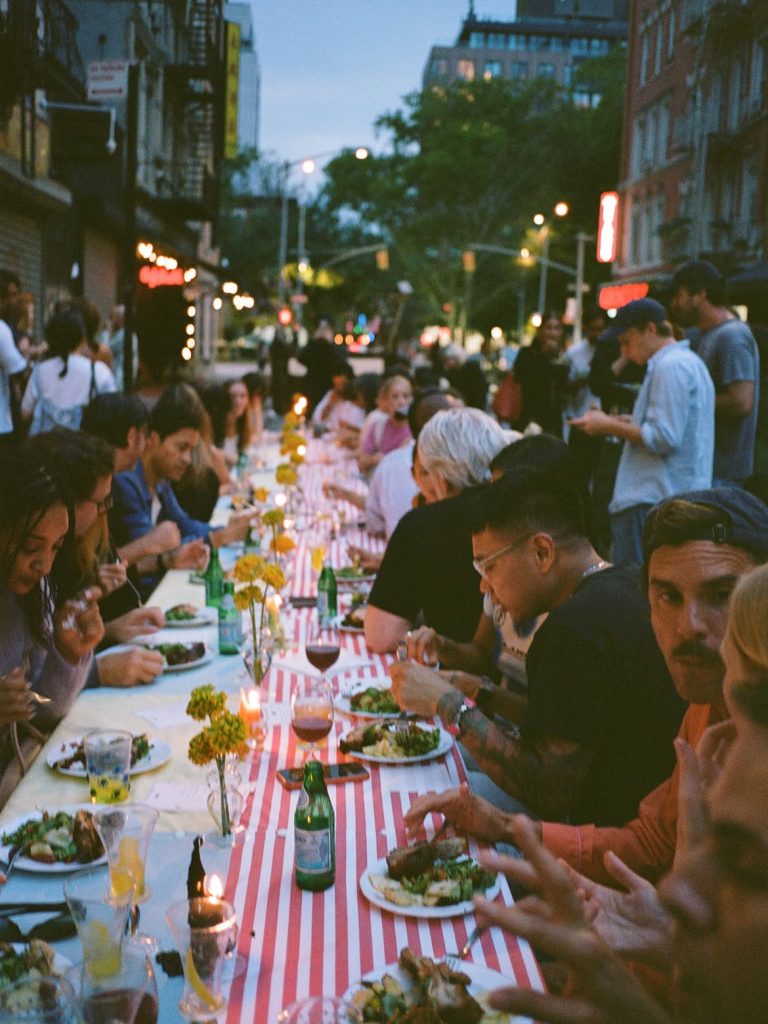
Born around the rituals of the table, the brand sits deliberately between food, fashion, design and culture. A lace egg cover, a mother-of-pearl spoon or a surreal table setting is never presented simply as an object.
Together, they construct a very particular universe around hosting.
The category becomes difficult to define, but the world is instantly recognisable.
That distinction matters.
When brands compete primarily through category codes, differentiation becomes incremental: a different ingredient, colour, format or claim.
When they build their own cultural codes, they create a territory competitors cannot replicate as easily.
The question shifts from “How do we stand out in our category?” to “What world can only this brand own?”

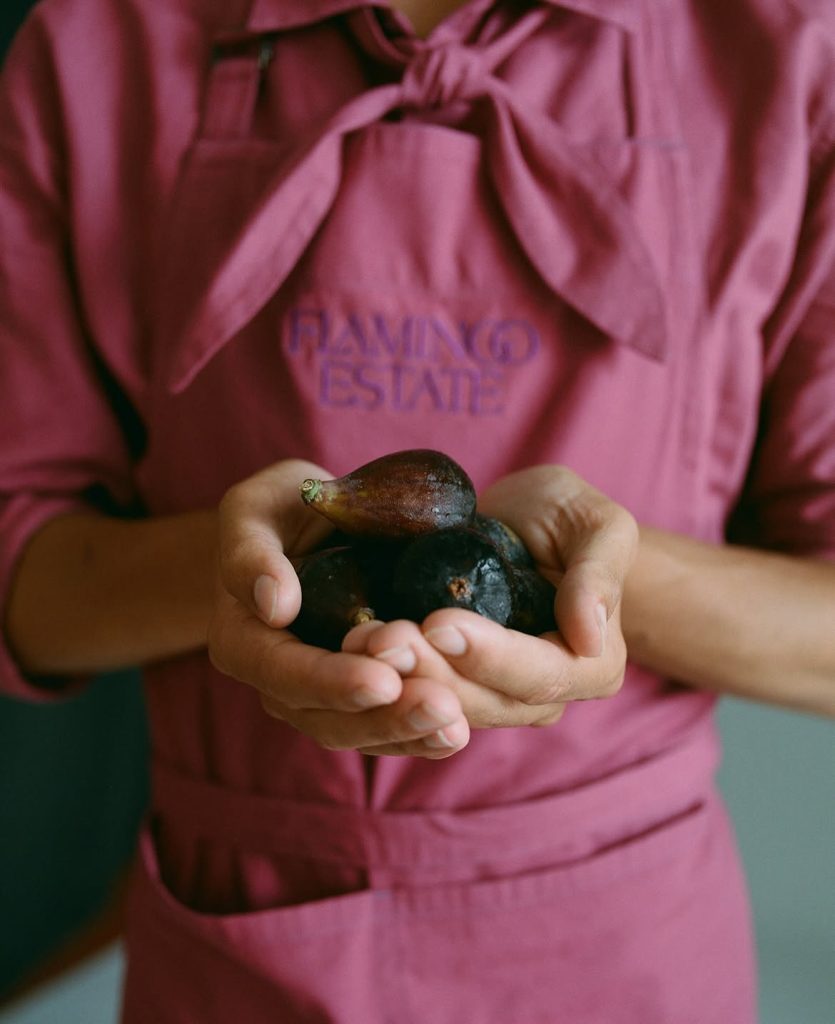
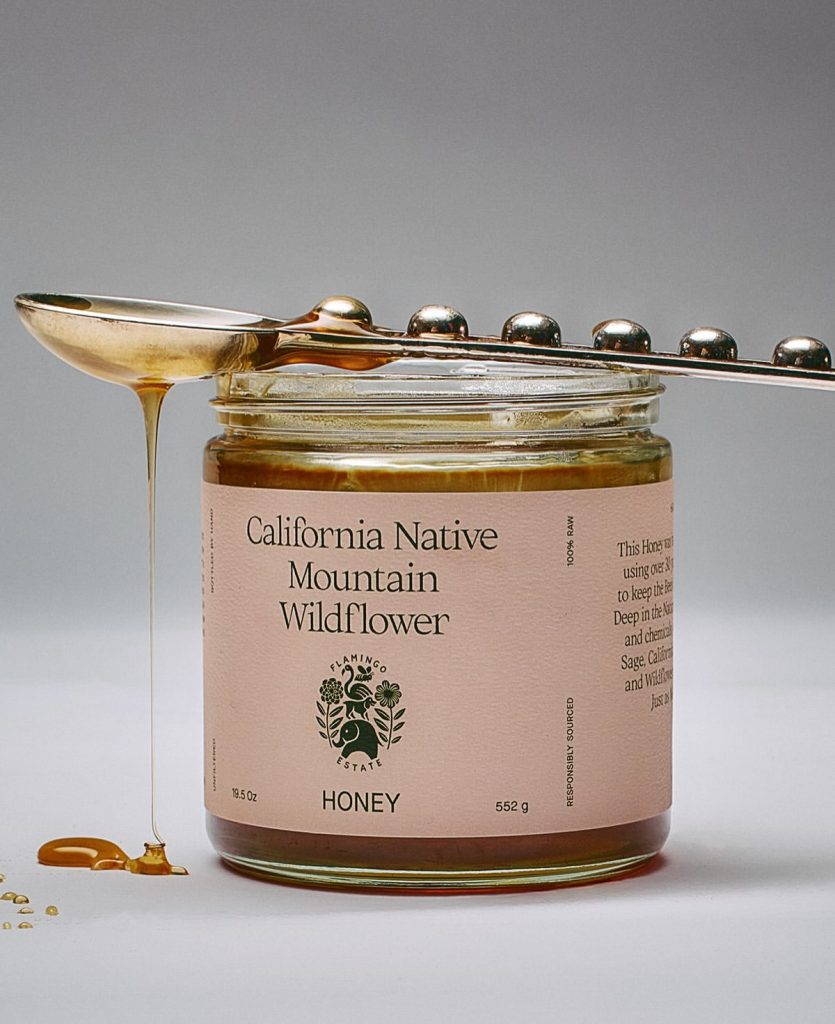
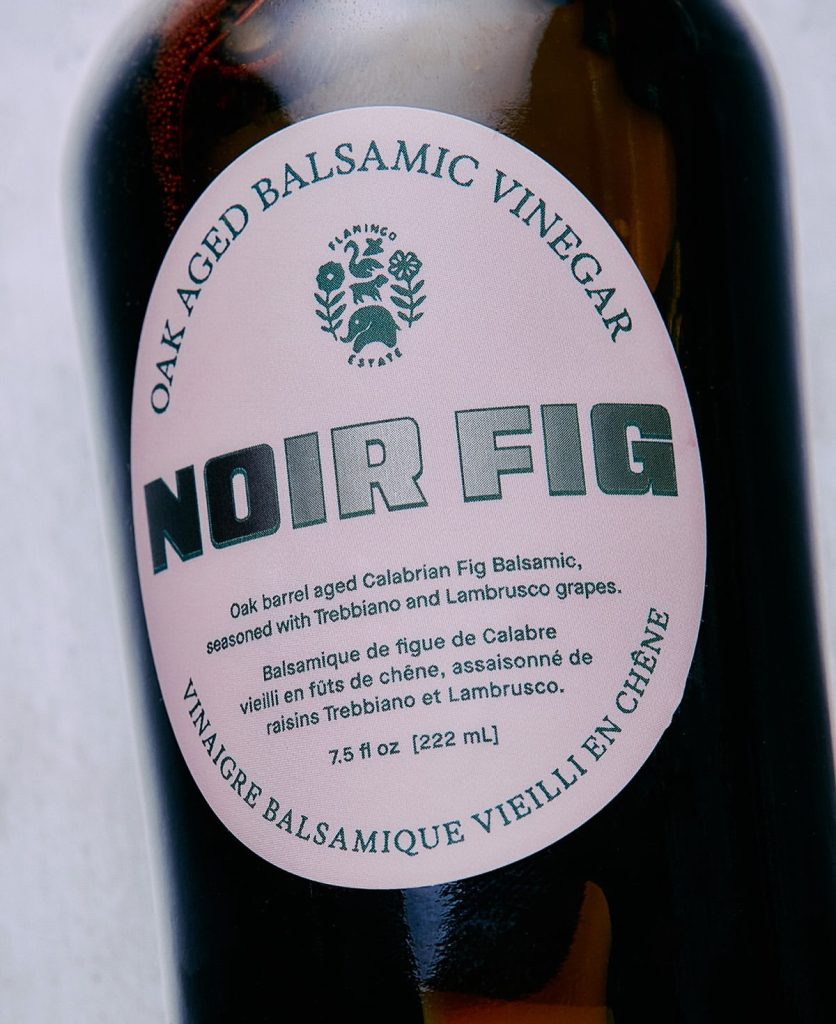
Few brands illustrate this better than Flamingo Estate.
On paper, its offer could appear fragmented: olive oil, honey, candles, soap, produce, pantry goods.
Strategically, the opposite is true.
The coherence does not come from the product portfolio. It comes from the worldview behind it.
Nature, pleasure, sensuality, seasonality, provenance and a certain vision of Californian living connect everything Flamingo Estate touches.
The estate itself becomes part farm, part brand, part mythology.
This changes the role of branding.
The job is no longer simply to make individual products desirable. It is to create a system of meaning strong enough for different products to belong to the same universe.
Once that world is established, the brand earns permission to move.
A bottle of olive oil and a candle do not need to share a category. They need to share a belief system.
That is the real power of lifestyle branding: the product becomes an entry point into something larger than itself.
The old language of lifestyle was remarkably predictable.
Perfect houses. Perfect bodies. Perfect holidays. Perfect people enjoying perfectly curated lives.
As those images became ubiquitous, aspiration became generic.
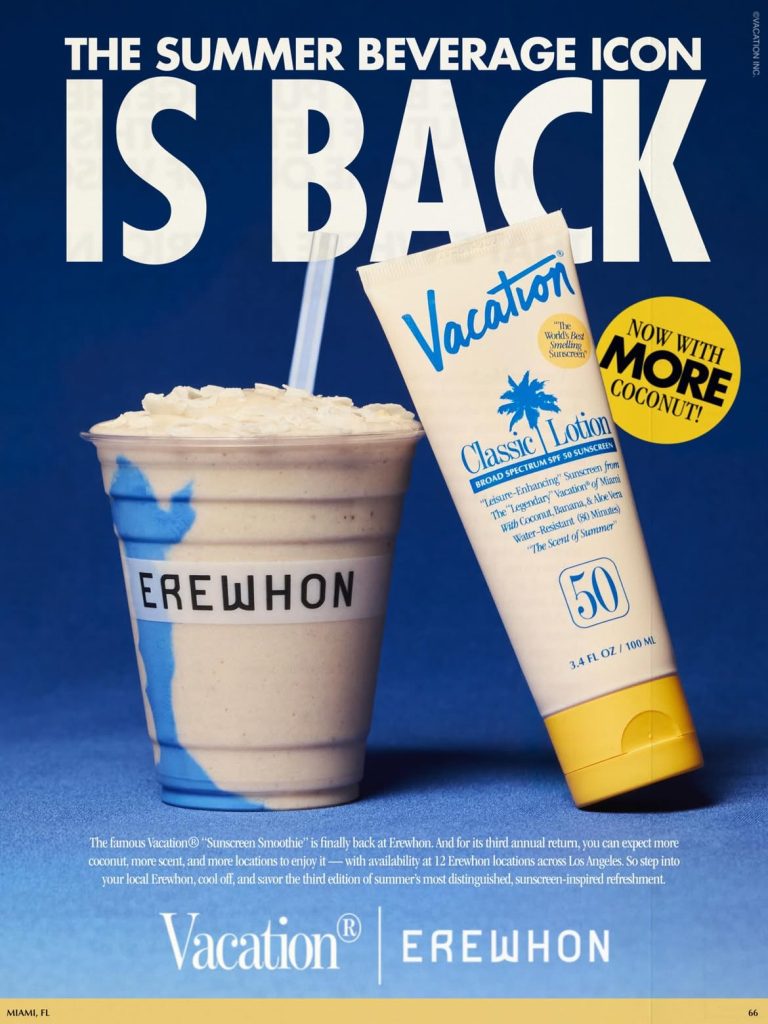
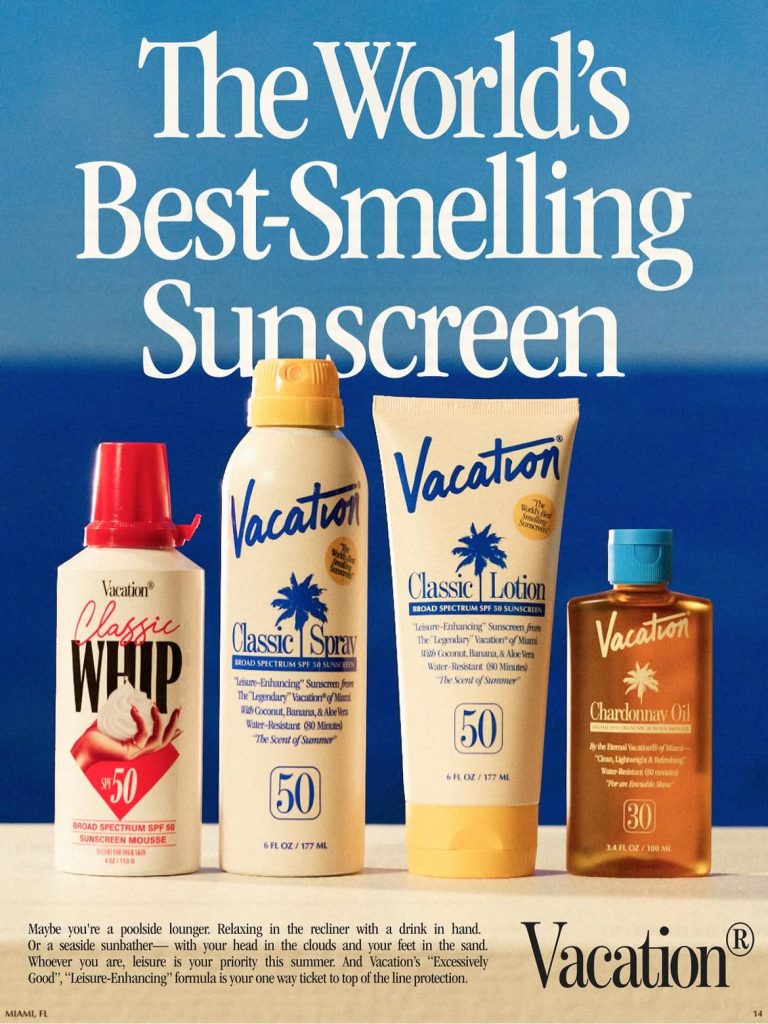
Vacation takes almost the opposite approach.
It could have positioned itself around efficacy, protection or skincare innovation — the established codes of sunscreen.
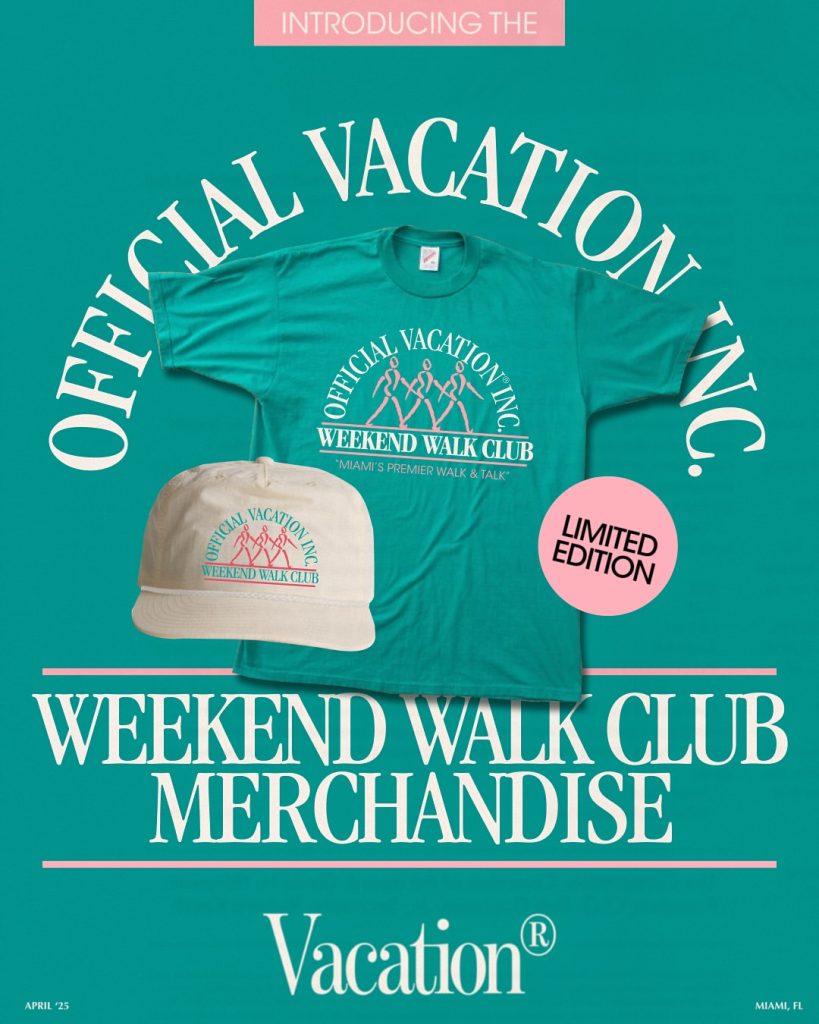
Instead, it built a fictionalised universe around leisure.
Its visual language, copywriting, packaging and experiences evoke an exaggerated version of resort culture: pools, tennis clubs, cocktails, hotel gift shops and a slightly absurd vision of 1980s holiday glamour.
The sunscreen remains important.
But sunscreen is not the entire proposition.
Leisure is.
This is what makes the brand culturally memorable. Vacation has not simply differentiated a product; it has identified a territory with enough creative depth to generate endless expressions of the brand.
And crucially, that territory has rules.
Strong lifestyle brands are not broad. They are often extraordinarily specific.
The more precise the world, the more expansive the brand can become within it.
There is a deeper cultural shift underneath all four examples.
Traditional lifestyle marketing asked people to observe.
Look at this house.
Look at this holiday.
Look at this person.
Imagine becoming them.
The new model asks people to participate.
Set the table.
Light the candle.
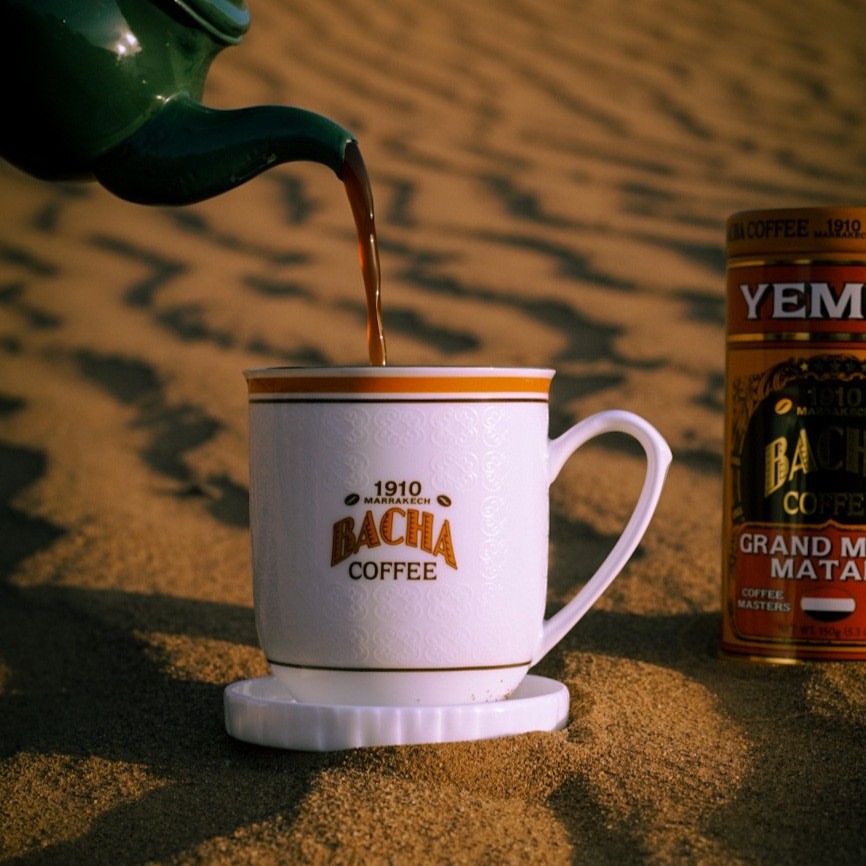
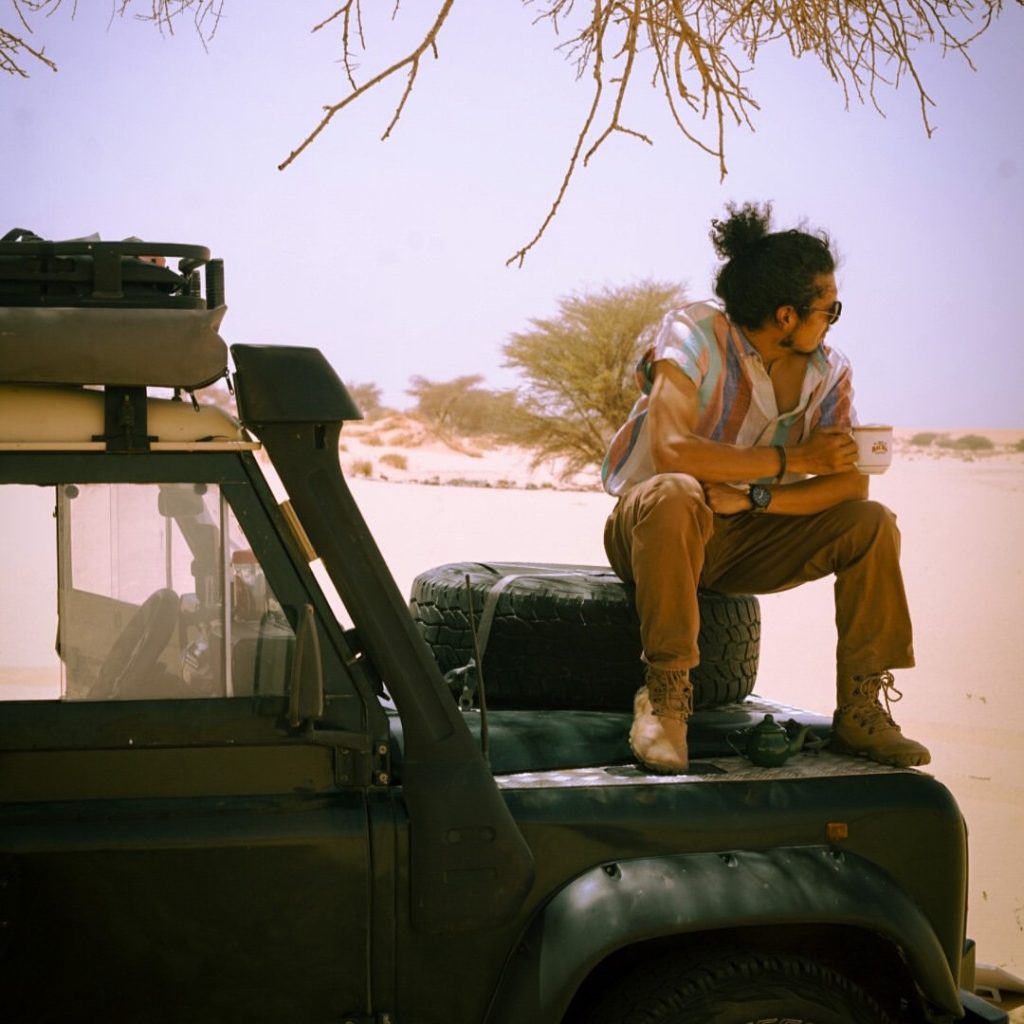
Drink the coffee.
Wear the sunscreen.
Enter the world.
This might explain why objects and rituals have become so central to contemporary lifestyle brands. They turn abstract brand values into behaviours people can actually adopt.
Belonging becomes something you do, not simply something you are shown.
And that creates a different relationship between brand and audience.
The consumer is no longer standing outside the image aspiring to enter it. They help complete the brand through their own rituals, spaces and social lives.
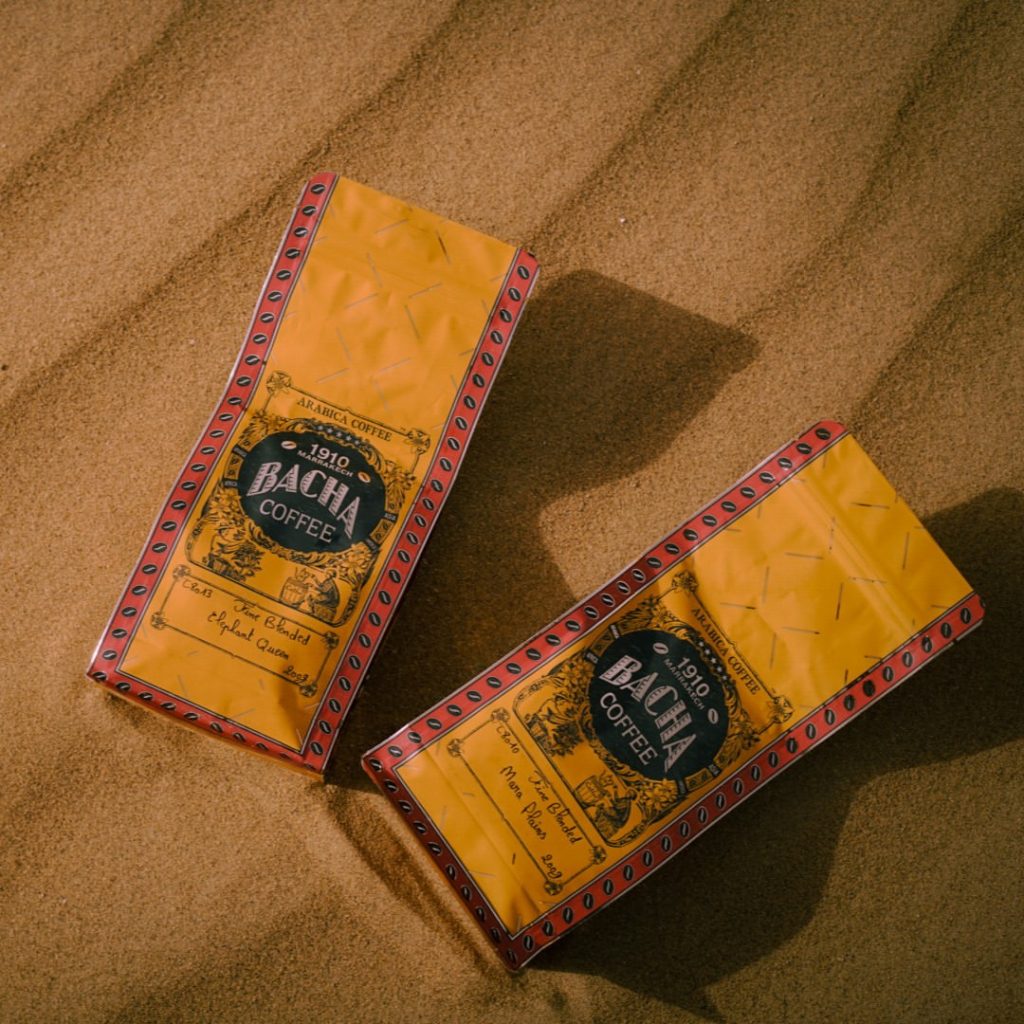
Flamingo Estate, Vacation, Bacha Coffee and Gohar World look radically different.
That is precisely the point.
There is no single “lifestyle aesthetic” to replicate.
What they share is a way of thinking about brands.
They start with a distinctive worldview rather than a narrow category definition. They create recognisable cultural codes around that worldview. They translate those codes consistently across products, spaces, content, collaborations and experiences.
This gives them something increasingly valuable: permission to move beyond the category they started in without losing meaning.