For decades, luxury was primarily built around ownership.
Status was expressed through fashion, real estate, products, memberships and visible symbols of wealth.
Today, a new form of luxury is emerging.
Increasingly, value is no longer defined by what consumers own, but by what they can access.
Access to communities, curated experiences, wellness ecosystems, cultural networks, longevity-focused environments and highly selective lifestyle circles.
According to the 2025 Julius Baer Global Wealth and Lifestyle Report, luxury consumption is progressively shifting towards experiences rather than ownership, driven by consumers seeking emotional value, exclusivity and personal relevance.
The product becomes secondary → The ecosystem becomes the true luxury.
Access to wellness, community, recovery, networking and curated experiences is progressively becoming more valuable than ownership itself.
At the same time, another major shift is reshaping luxury itself: time is becoming one of the most valuable forms of wealth.
In increasingly saturated and hyperconnected lifestyles, consumers are no longer only searching for products or status symbols.
They are searching for simplicity, wellbeing, recovery, meaningful social interaction and environments capable of helping them reclaim time for themselves.
The new luxury is no longer only about owning more.
It is increasingly about living better.
This evolution is particularly visible through the rise of a new generation of hospitality and lifestyle ecosystems where wellness, sport, networking and cultural identity converge within a single environment.
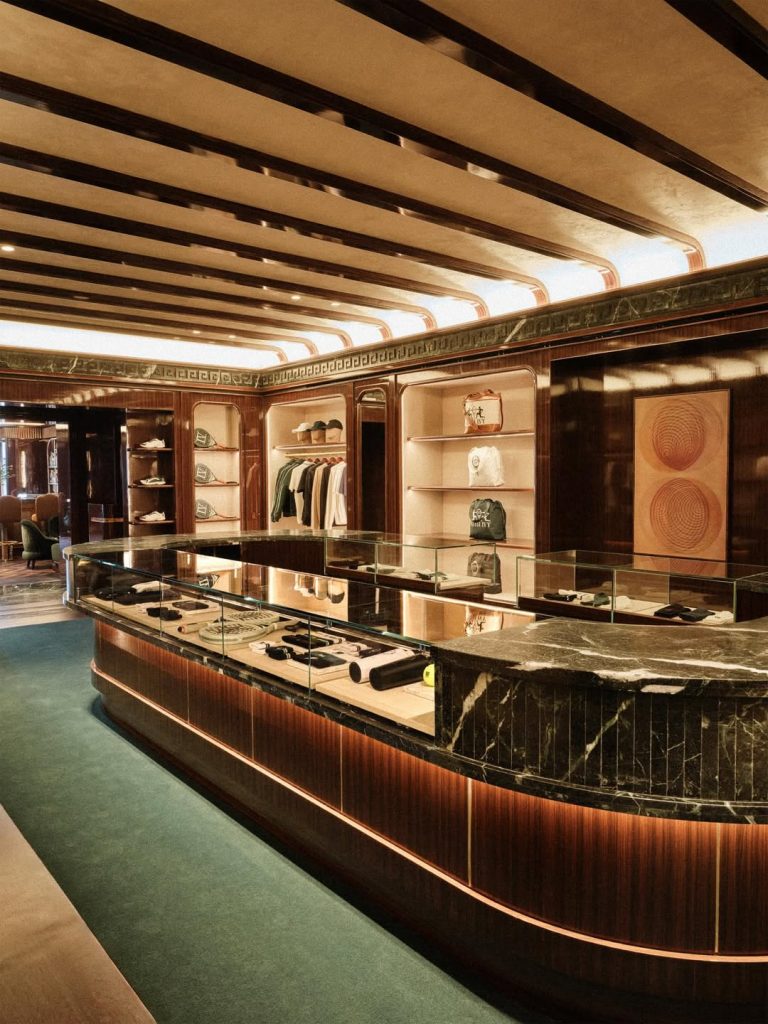
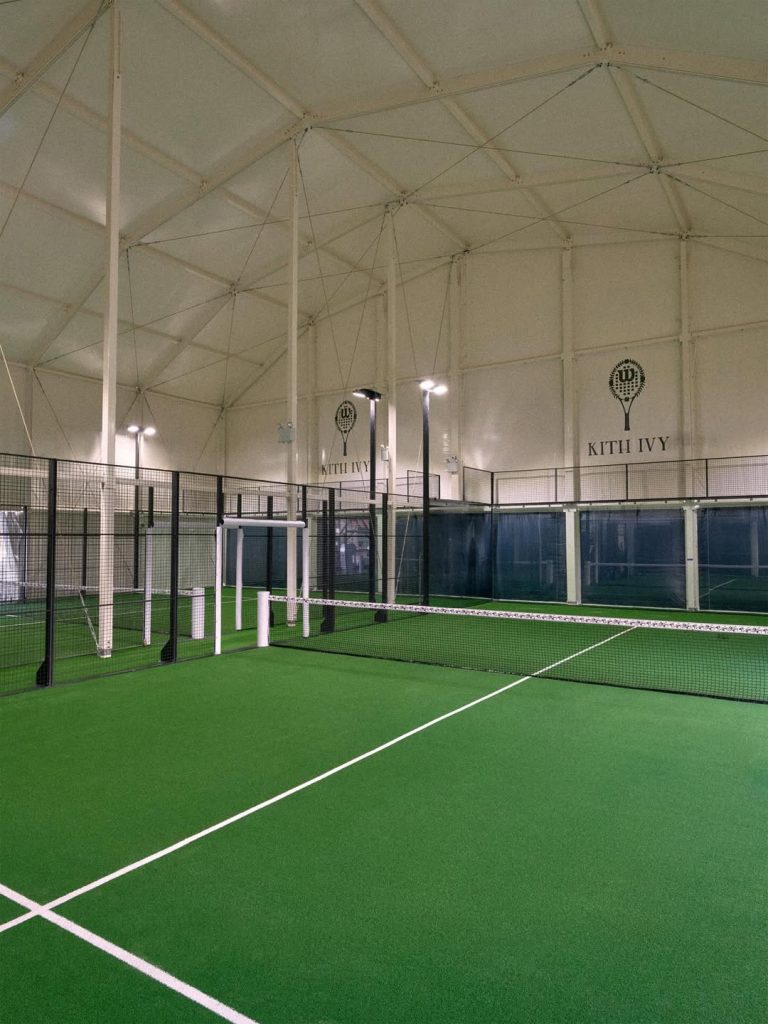
Kith Ivy → centralises sport, wellness, social life and hospitality within one curated environment.
Newer concepts such as Kith Ivy are now pushing this model even further.
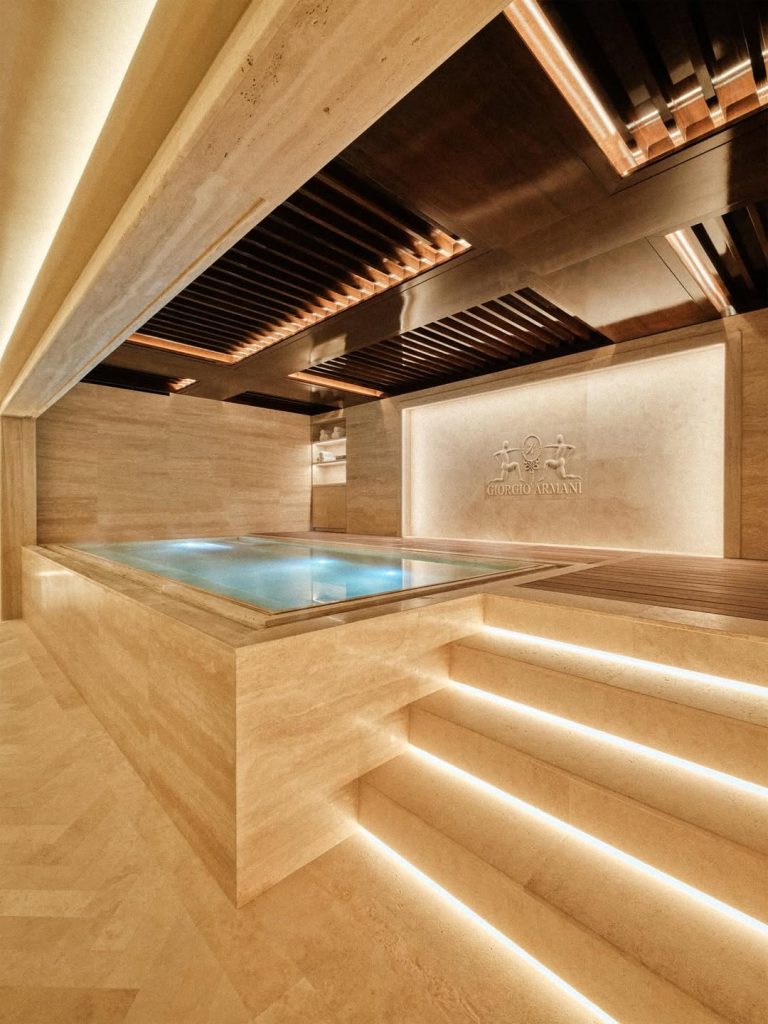
By combining padel, wellness, recovery, hospitality, fashion and social experiences within a single ecosystem, the concept reflects a new generation of lifestyle environments designed around community and curated access.
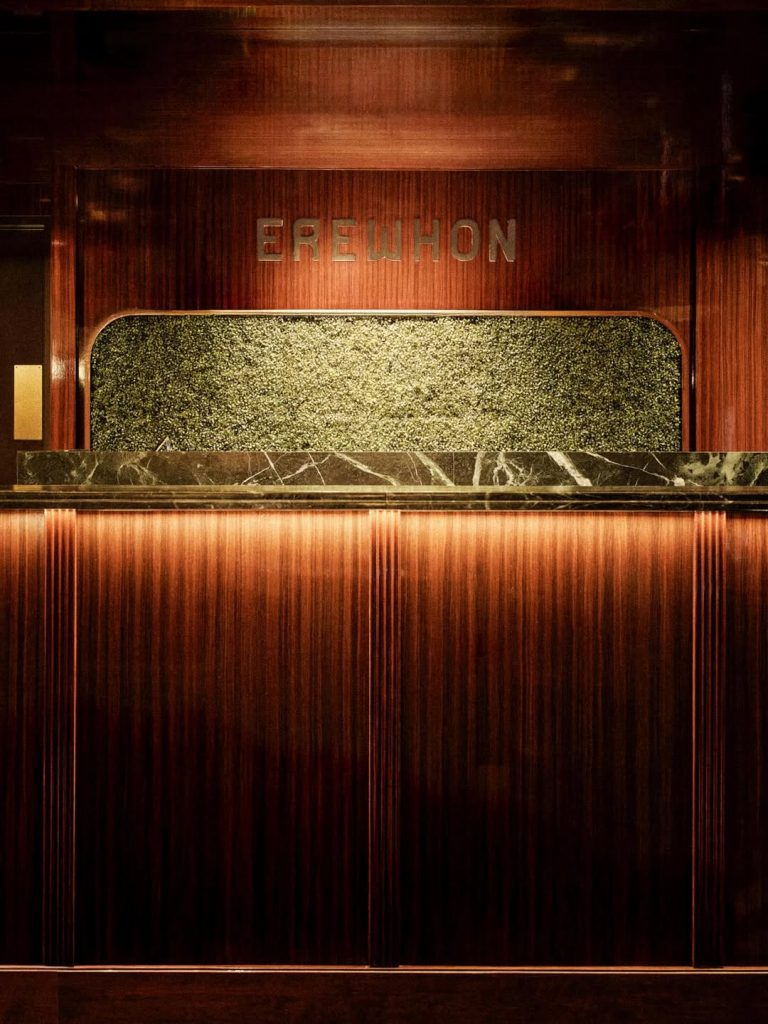
The integration of Erewhon within the concept is particularly revealing.
More than a wellness grocery brand, Erewhon has become a cultural symbol associated with contemporary wellness culture, social visibility and lifestyle identity.
Consumers are no longer simply purchasing smoothies or wellness products.
They are buying into a social environment, a wellness culture and a set of contemporary lifestyle codes.
Consumers are no longer simply paying for a service or a membership.
They are buying into a lifestyle ecosystem capable of orchestrating multiple aspects of their daily lives.
The Well: orchestrates recovery, longevity, movement and wellbeing within a holistic lifestyle ecosystem.
The same evolution can be seen through concepts such as The Well.
Combining wellness, longevity, nutrition, movement, recovery and hospitality, The Well reflects a broader transformation of luxury itself.
Consumers increasingly seek environments capable of simplifying and optimising health, performance, recovery, social interaction and emotional wellbeing.
The product becomes secondary.
The ecosystem becomes the true luxury.
What these brands are building is not simply hospitality, retail or wellness.
They are creating cultural infrastructures designed around belonging.
Exclusivity is no longer created solely through ownership.
It is increasingly created through access, curation, community, wellness, longevity and cultural relevance.
The most desirable brands today are no longer necessarily those selling the most products.
They are the ones capable of creating ecosystems people genuinely want to be part of.
Luxury is becoming less transactional and increasingly experiential, emotional and community-driven.
What is particularly interesting is that these ecosystems are still perceived today as niche, ultra-premium or highly selective environments.
But they may actually reflect a much broader transformation of contemporary lifestyles.
As consumers increasingly seek wellbeing, social connection, curated experiences and time optimisation, the demand for community-driven ecosystems could progressively extend far beyond luxury itself.
The question is no longer whether hospitality, wellness and lifestyle will converge.
It is whether these ecosystems could eventually become the new standard for how people socialise, work, consume, exercise and experience everyday life.