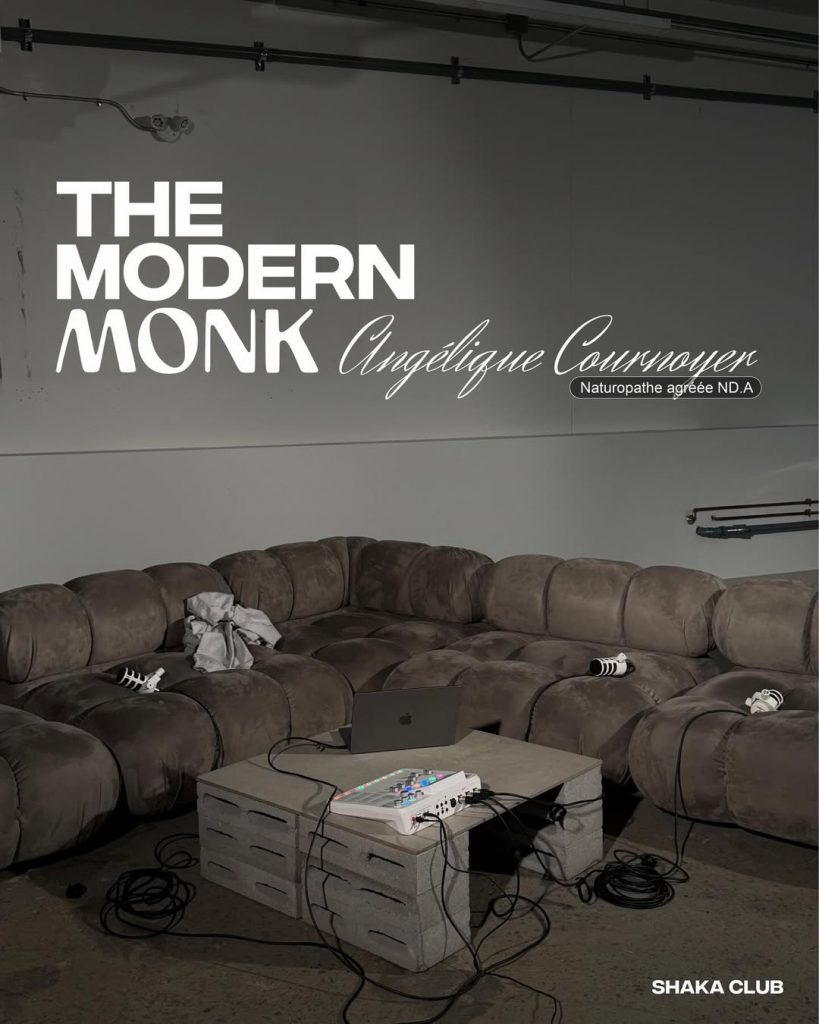
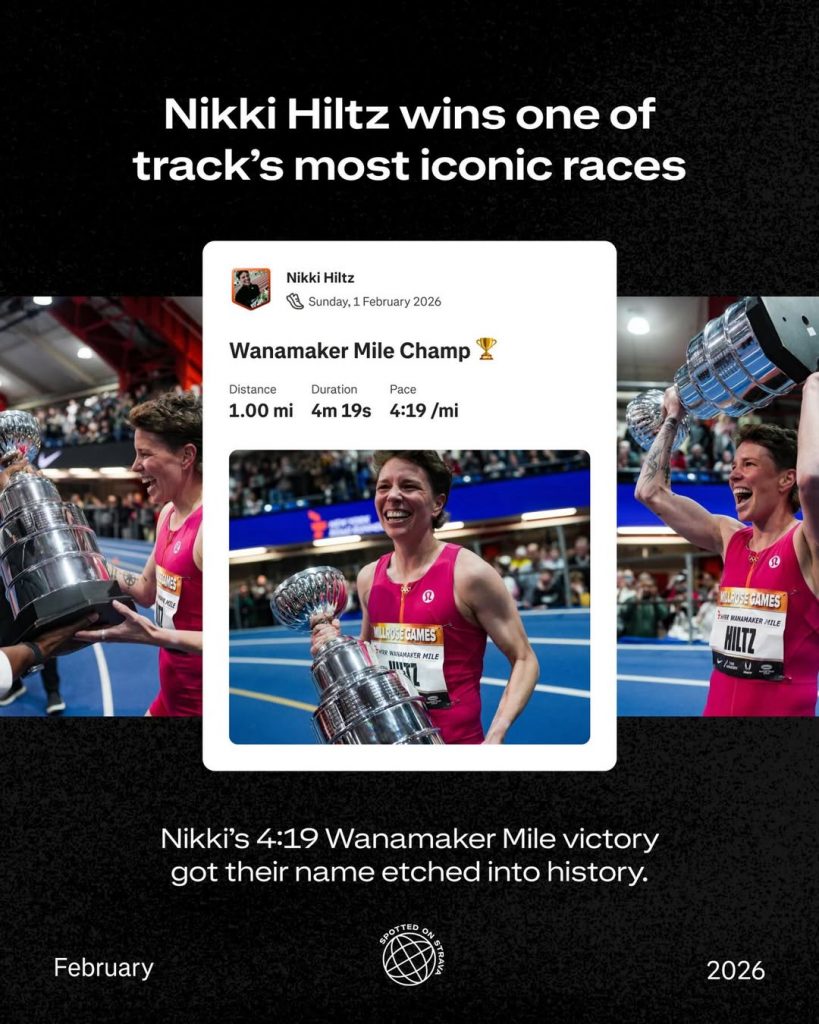
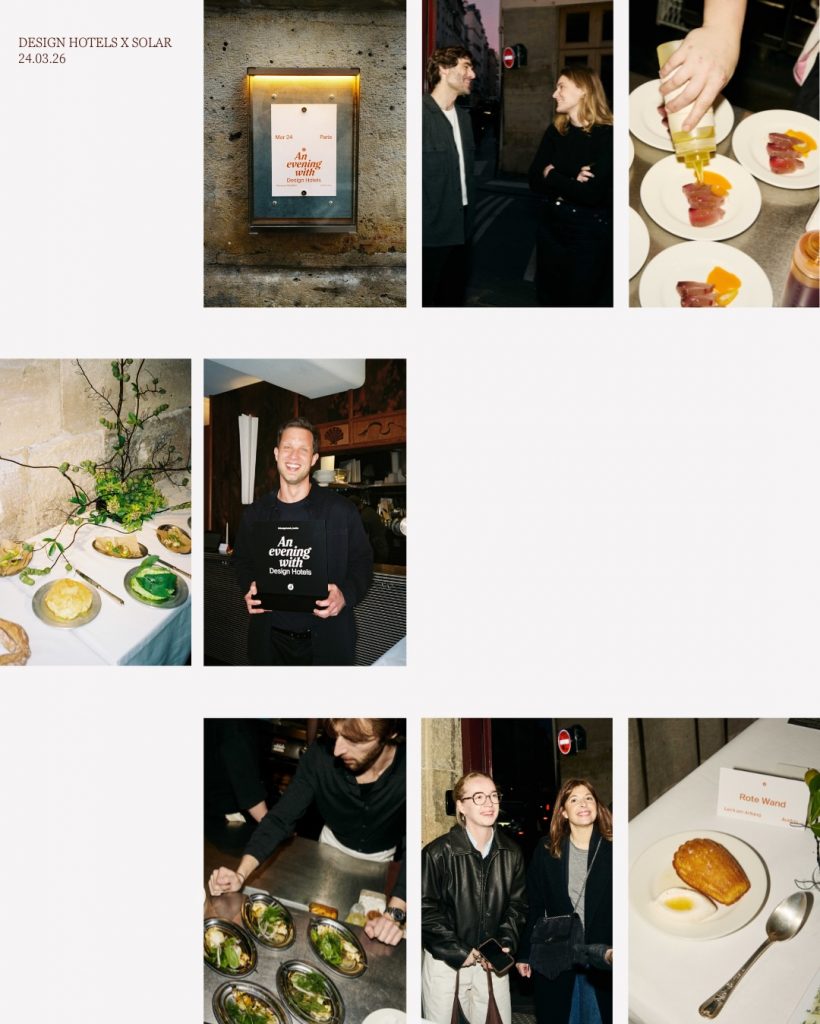
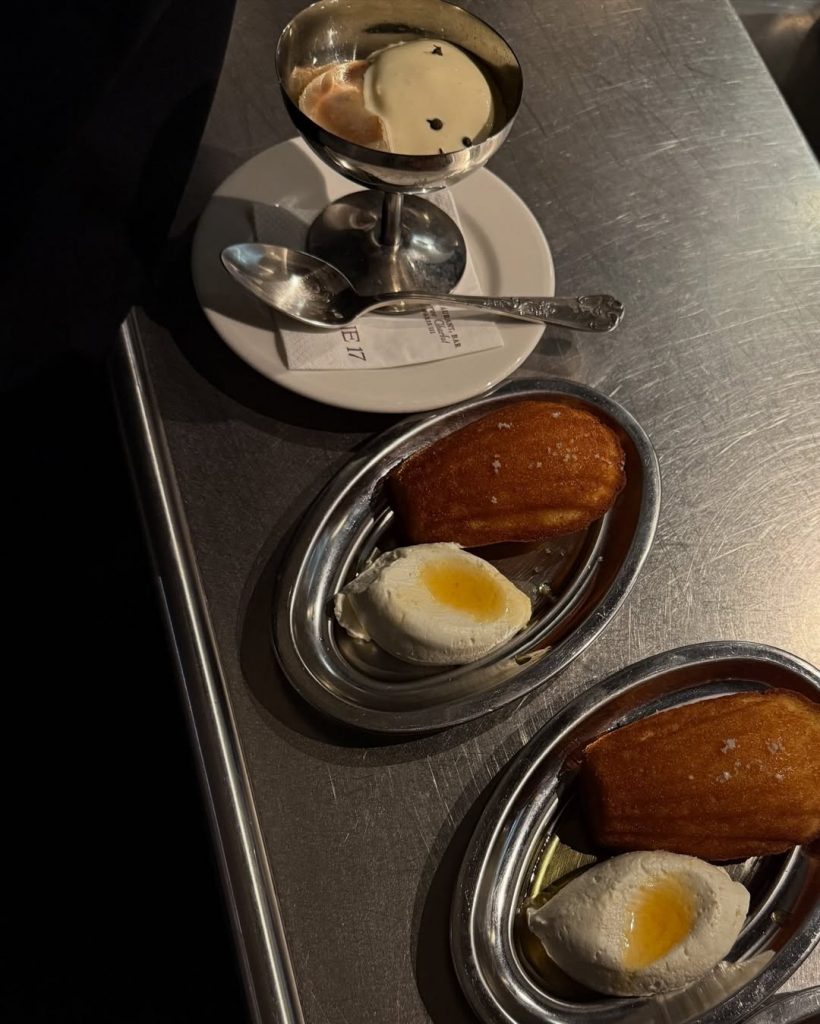
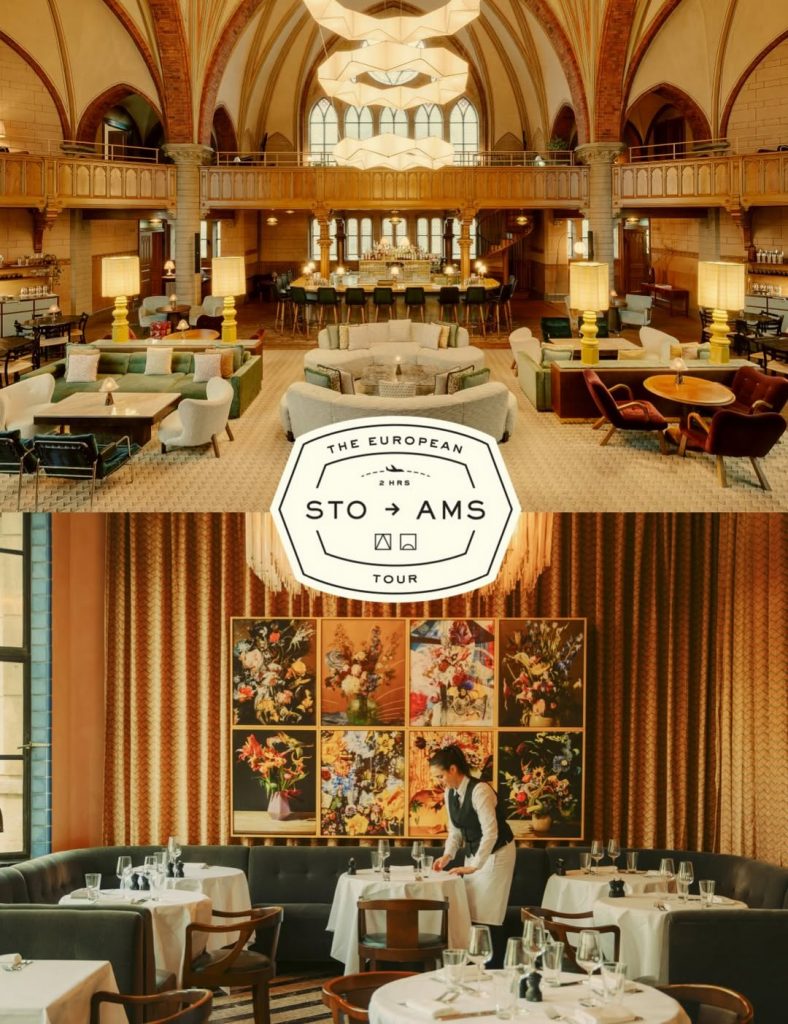
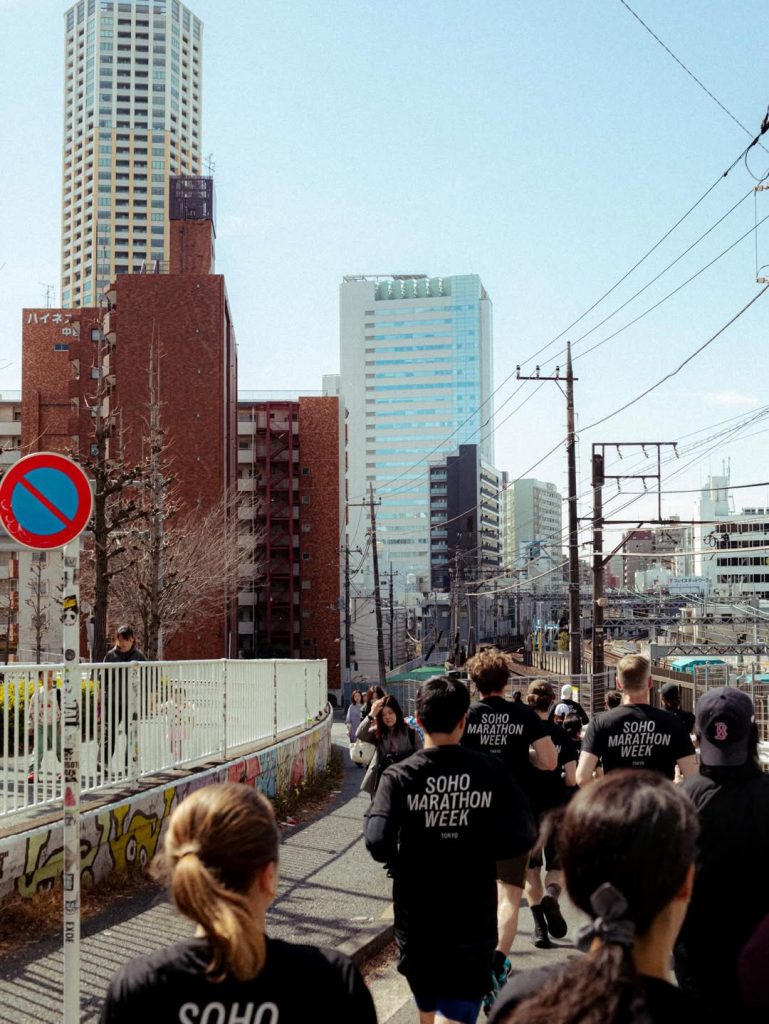
The physical space becomes: a social backdrop, a living Instagram environment, a meeting place and a cultural marker.
The same dynamic can be seen in the international expansion of Soho House.
Originally created in London as a private club for the creative industries, Soho House has evolved into a global cultural ecosystem with more than 40 international locations and nearly 200,000 members worldwide.
Soho House does not simply sell restaurants or private spaces.
The brand sells a sense of international creative belonging.
Each location becomes a physical extension of its global community through events, networking, music, art, wellness, culture, hospitality and social content.
The Soho House model demonstrates that the most powerful hospitality brands today are those capable of building cultural communities before simply selling services.
This transformation is also visible in the rise of new hybrid spaces combining: cafés, sport, wellness, retail, creative culture, music and community.
Spaces such as Solar Club perfectly illustrate this new generation of cultural environments where hospitality, creativity and community become inseparable.
These places are no longer designed solely for consumption or entertainment.
They become social platforms capable of bringing together : creatives, entrepreneurs, architects, artists, founders and emerging lifestyle communities.
People come as much for the atmosphere and connections as they do for the product itself.
Hospitality becomes a catalyst for human, creative and professional relationships.
In GCC markets, this evolution is becoming increasingly visible.
In Riyadh, Doha and Dubai, cafés, bakeries and wellness concepts are progressively evolving into lifestyle destinations capable of bringing together: sports communities, creatives, entrepreneurs, wellness audiences, and new urban generations.
The brands that will succeed tomorrow will not necessarily be those with the most aesthetic spaces or the best products.
They will be the ones capable of building: communities, experiences, social rituals and cultural universes people genuinely want to belong to.
Emerging concepts such as Run Of The Mill perfectly illustrate this evolution by combining sport, wellness and hospitality into a complete lifestyle experience.
Through running culture, collagen and protein smoothies, as well as collaborations with skincare and wellness brands, the concept extends far beyond food and beverage itself.
The product becomes part of a larger cultural and community-driven ecosystem.